
Content
What Is Proximity Key? Car Key Replacement Round Rock
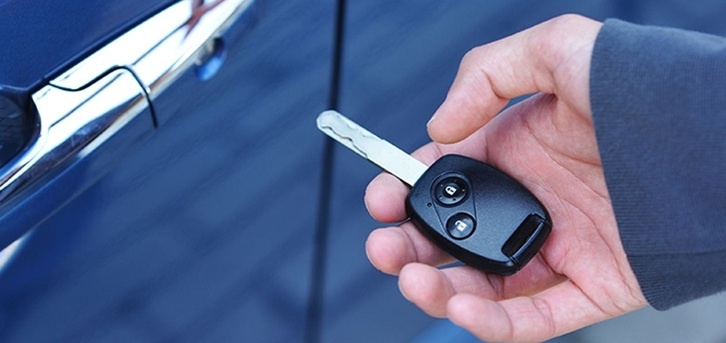
Modern vehicles increasingly use smart keys and push-to-start ignitions instead of traditional metal keys. Together these technologies provide keyless entry, secure vehicle authentication, and a convenient way to start the engine with the press of a button — so long as the authorized smart key (often called a fob or proximity key) is detected nearby.
Core Components and How They Work
At a high level, a smart key system consists of three pieces:
- The smart key fob: A battery-powered device that transmits an encrypted radio signal and responds to challenge/response requests from the vehicle.
- The vehicle receiver & immobilizer: Antennas and control modules in the car that communicate with the fob, verify authorization, and enable the door locks and starter circuit.
- The push-to-start switch: A button that, when the authorized fob is present and verified, allows the car to start without inserting a blade key.
When you approach the car carrying the fob, the vehicle senses the fob’s presence and unlocks doors automatically (if enabled). To start, the vehicle performs a secure handshake with the fob: if the cryptographic response matches the stored credential, the immobilizer is satisfied and the push button activates the starter motor.
Differences from a Transponder Key
While both transponder keys and smart keys contain electronic chips that speak to the vehicle’s immobilizer, they differ in capability:
- Transponder keys usually require a physical insertion of the key into the ignition (or a remote head with a blade) and a one-way chip that the immobilizer reads when the key is turned.
- Smart keys / proximity fobs allow completely keyless operation: no insertion is necessary, remote functions may be richer (remote start, hands-free tailgate), and the fob performs two-way encrypted exchanges with the vehicle multiple times per interaction.
Security Features
Smart key systems use several layers of protection:
- Encrypted challenge/response authentication to prevent cloning.
- Rolling or session codes that change to prevent replay attacks.
- Range-limited antennas that reduce the chance of remote interception.
- Ability to disable lost/stolen fobs from vehicle memory so they can no longer start the car.
Despite these protections, no system is invulnerable. Manufacturers combine smart keys with other anti-theft measures (GPS tracking, immobilizer timeouts, alarm systems) and continue to update protocols as threats evolve.
Common Smart Key Features
- Hands-free locking/unlocking when the fob is in your pocket or bag.
- Push-to-start/stop button for ignition.
- Remote start from the fob or smartphone app (on equipped vehicles).
- Proximity-based trunk or tailgate release.
- Multiple fob profiles for driver settings (seat, mirror, climate presets).
Battery, Range & Troubleshooting
Smart key fobs use small coin cell batteries that typically last 1–4 years depending on use. Common signs of low battery or fob faults include:
- Diminished range for unlocking or remote start
- Need to hold the fob very close to the start button to start the vehicle
- Intermittent "key not detected" dash messages
- Complete loss of fob functions
Before replacing a fob, try replacing the coin cell battery and testing. If symptoms persist, the fob or vehicle antenna/module may need diagnostics or reprogramming.
Lost or Damaged Smart Key — What We Do
If you lose your smart key or the fob stops working, a technician can:
- Provide a replacement fob (OEM or high-quality aftermarket where available).
- Program the new fob to the vehicle and remove lost/stolen fobs from memory.
- Perform OBD or module re-learn procedures necessary for push-to-start systems.
- Offer temporary solutions when parts need to be ordered (e.g., valet key or mechanical override where applicable).
Replacing and programming smart keys often requires specialized equipment and the correct vehicle software. Our mobile service brings the right tools to your location in Round Rock for many makes and models.
Compatibility & Manufacturer Variations
Implementation varies by manufacturer. Some vehicles use simple proximity fobs, while others use multi-module systems that require synchronized programming of the Body Control Module (BCM), immobilizer module, and infotainment or telematics units. European and luxury brands may have additional security layers and higher parts costs.
Practical Tips for Owners
- Keep a spare fob stored safely — replacing two fobs at once during programming can be more efficient.
- Replace the fob battery proactively if remote range decreases.
- If you suspect cloning or theft, have lost fobs removed from vehicle memory and re-keyed if necessary.
- When buying a used vehicle, verify how many fobs are programmed and request deletion of unknown devices.
Need Help with a Smart Key or Push-to-Start System?
For diagnostics, fob replacement, or on-site programming in Round Rock, call (222) 222-2222 or schedule online. Our technicians handle smart key pairing, immobilizer re-learns, and secure removal of lost or stolen fobs for most common makes and models.
Other Services
Lost Car Keys
VIN cut and programming for transponder and push-to-start systems.
Learn MoreIgnition Repair
Rekey, repair, or replace faulty ignitions—on-site in Round Rock.
Learn MoreCar Lockout
Non-destructive entry for most makes and models, day and night.
Learn More
Service Area
Round Rock, Austin, Cedar Park, Pflugerville, Kyle, Buda, Georgetown, Hutto, Lakeway, Leander, San Marcos. 73301, 78602, 78606, 78610, 78612, 78613, 78615, 78617, 78630, 78641, 78642, 78652, 78653, 78664, 78665, 78680, 78681, 78682, 78683, 78701, 78702, 78703, 78704, 78705, 78712, 78721, 78722, 78723, 78724, 78725, 78726, 78727, 78728, 78729, 78730, 78731, 78732, 78733, 78734, 78735, 78736, 78737, 78738, 78739, 78741, 78742, 78744, 78745, 78746, 78747, 78748, 78749, 78750, 78751, 78752, 78754, 78756, 78757, 78759.